-
Why Inbreeding is Rare in Nature: An Evolutionary Perspective
 Read more: Why Inbreeding is Rare in Nature: An Evolutionary Perspective
From an evolutionary perspective, if we see a genetic opportunity, one that offers us the prospect of improving our genetic standing, then we will feel obliged to take it. After all, the making of such advances is our very purpose of being. There is therefore a genetic argument to suggest that inbreeding may be beneficial given that it has the potential to further an individual’s genes –…
-
The Rise of Relationship Breakdowns and Their Genetic Impact
 Read more: The Rise of Relationship Breakdowns and Their Genetic Impact
In the “olden days”, couples used to stay together for the sake of their children. Nowadays, that is less inclined to happen. One feature of modern society is the widespread breakdown of relationships. Divorce and separation are much more common than they used to be. In fact, they are now a normal aspect of society and mean that many children are raised in single-parent households or are…
-
Understanding Our Genetic Responsibility
 Read more: Understanding Our Genetic Responsibility
The individual should always do what is in their own best interest. Or should they? What is the individual’s genetic responsibility towards their species? Should they be obliged to think about the evolutionary consequences of their actions? Should they consider how their individual actions might have a wider impact on humanity? In Nature, evolution – a dynamic, progressive, developmental process – operates perfectly. By doing what is…
-
Nature’s Core Simplicity
 Read more: Nature’s Core Simplicity
One of the most beautiful and amazing aspects of this world is that, beneath its complexity, there can be incredible simplicity. Evolution – or at least its guiding principle – may be a case in point. In Nature, evolution works because it follows a simple modus operandi. The central tenet driving evolution is that of self-interest – we all want to do well for ourselves. Some might…
-
How Technology Could Lead to Human Extinction
 Read more: How Technology Could Lead to Human Extinction
Humanity may be the dominant species on this planet, but we still face the threat of human extinction. That may take some believing, given our prevalence and superiority over other species, but the threat still remains. There is a vulnerability to our existence, which means that our ongoing survival cannot be assured. How might human extinction materialise? What could possibly threaten our commanding pre-eminence? The danger may…
-
Understanding Life and Death: A Genetic Perspective
 Read more: Understanding Life and Death: A Genetic Perspective
Is it possible to be alive but dead or to be dead but still living? It depends on how we define death. Death is about being in a non-contributory state. It is when we cease to be doing anything. More specifically, it is when we no longer have any purpose, relevance, or value for our genes. There are actually more ways of determining death than we might…
-
COVID-19 – Society Fights Our Cause?
 Read more: COVID-19 – Society Fights Our Cause?
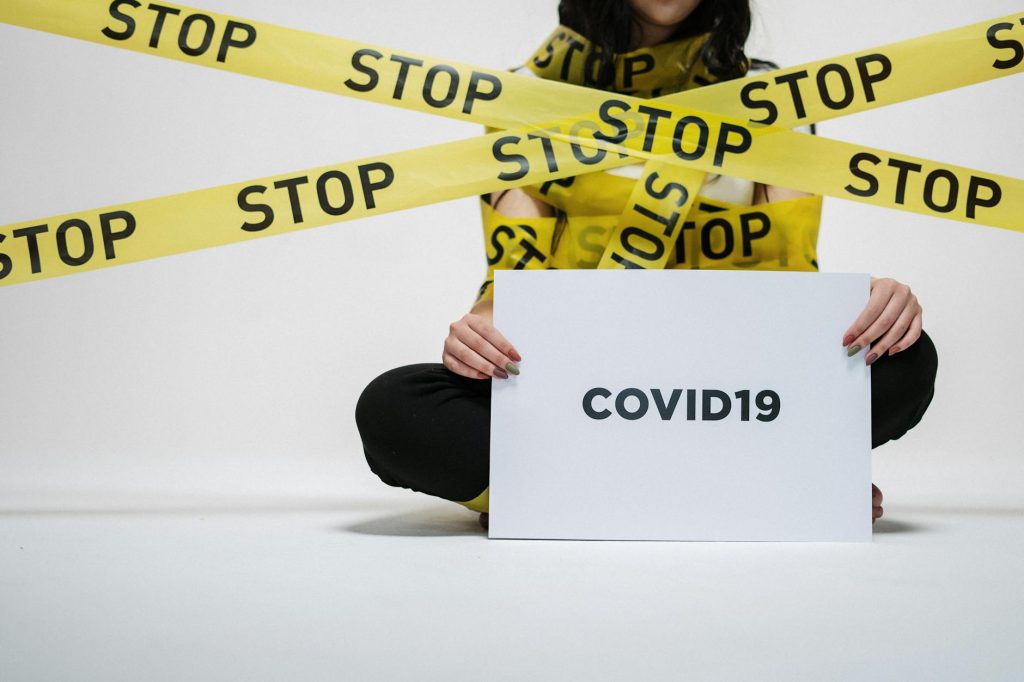
Society – even though it can come in many guises – is a great man-made edifice that has enabled humanity to survive in a natural world that can be harsh and merciless. We get our strength from society. Quite frankly, without society’s protection, we would not have survived. It is our defensive barrier, our protective armour against the wider world. In deciding on our evolutionary journey, we…
-
Understanding Family Medical History for Better Health
 Read more: Understanding Family Medical History for Better Health
When we visit our doctor for a check-up, the most important part of that conversation should be around our family’s medical history. This often provides clues as to what we and they should be looking out for. We should certainly be aware of the medical history of both our parents and our grandparents. It’s highly likely that their serious ailments are genetically based and may well have…
-
Our Shift from Reproductive Sex to Recreational Sex
 Read more: Our Shift from Reproductive Sex to Recreational Sex
Sexual relationships are about attraction. We see something we like in a person, and we want to spend more time with that person; we want to have sex with that person. Years ago, it was relatively straightforward. We were effectively on a search, seeking out “the one” – the perfect partner for us; the person we wanted to have a baby with; the person we wanted to…